Turnkey Process Plants
Chemical & petrochemical plants — from process route to stable production.
AKSEL delivers complete reactor-based production facilities for polymers, petrochemical derivatives and specialty chemicals: process technology and recipe, engineering, core equipment, installation, commissioning and long-term operational support — under one contract.
- 01Process technology & recipe
- 02Basic & detail engineering
- 03Reactors & core equipment
- 04Erection & installation
- 05Commissioning & start-up
- 06Training & lifecycle support
Process plant division
We build the plants that make the materials.
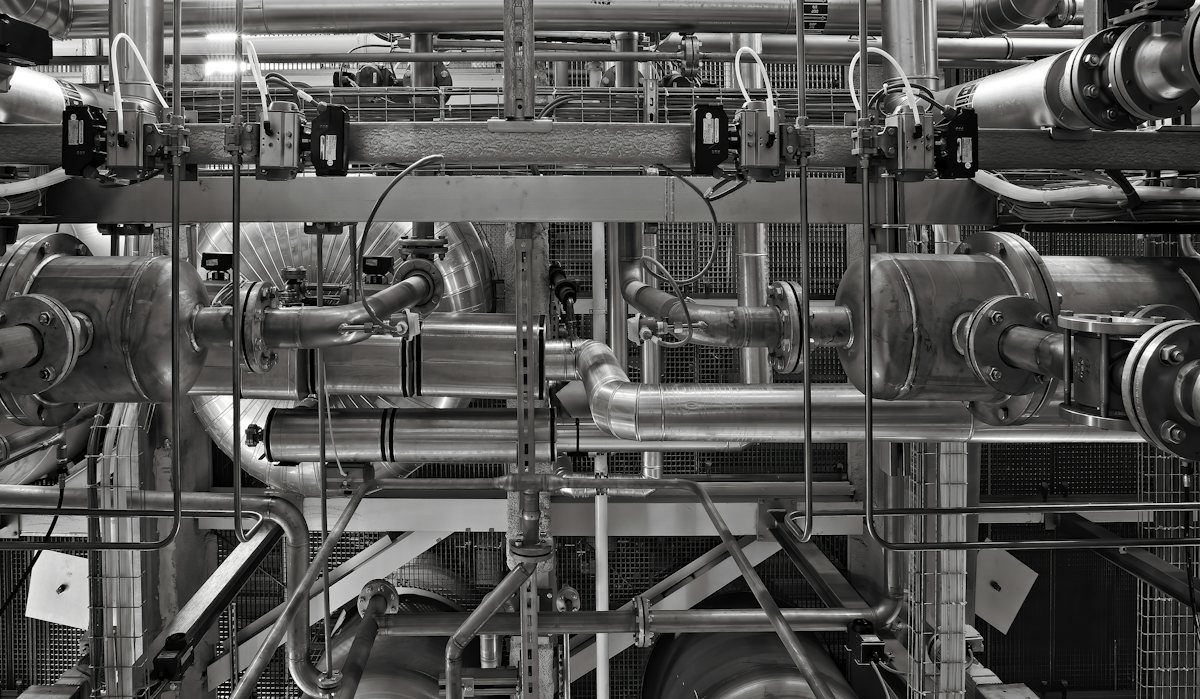
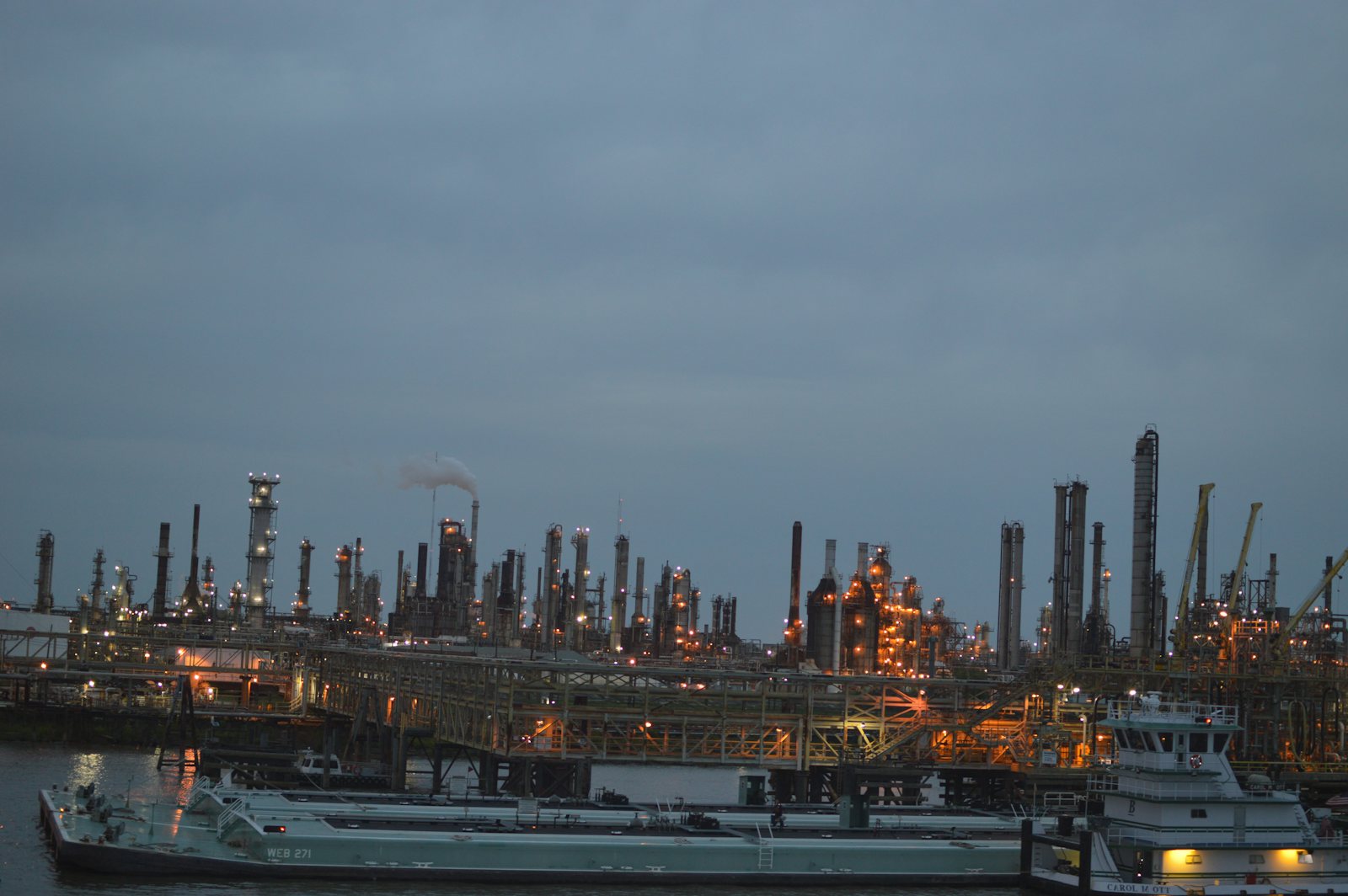
Behind every plastic part, fibre, coating or battery component is a chemical reaction that has to run safely, continuously and to specification. AKSEL designs and supplies the production plants where those reactions happen — from polymerization and polycondensation lines to oxidation, crystallization and thermal treatment units.
Working with an established international network of process licensors, partner laboratories and heavy-equipment manufacturers, we take responsibility for the complete pathway: defining the route, validating it at pilot scale, engineering the plant, fabricating the critical equipment and bringing the line to nameplate capacity.
- Proven process packages & recipes
- Pilot-validated scale-up
- In-house critical equipment
- Integrated automation & DCS
- On-site commissioning teams
- Performance guarantee testing
Integrated delivery
Technology, equipment and engineering — connected.
One project pathway links route development, equipment selection and implementation, so nothing is lost between the licensor, the fabricator and the site.
Process Technology & Recipe
Route selection, formulation and operating windows for your target product grades.
- Process design package (PDP)
- Heat & mass balances, PFDs
- Product recipes & grade slate
- Catalyst & additive systems
Basic & Detail Engineering
Translating the validated route into a buildable, safe and operable plant.
- P&IDs, HAZOP & SIL studies
- 3D plant layout & piping
- Electrical, instrumentation & DCS
- Civil & structural interfaces
Core Equipment Supply
Critical, process-defining equipment manufactured and tested to code.
- Reactors, kneaders & finishers
- Devolatilization & drying
- Heat transfer & pumping
- ASME / PED pressure equipment
Erection & Installation
Site supervision, mechanical completion and quality documentation.
- Installation supervision
- Pre-commissioning & flushing
- Loop checks & punch lists
- Mechanical completion
Commissioning & Start-up
Experienced teams bring the line from first feed to specification product.
- Water / solvent runs
- First monomer feed & ramp-up
- Grade transition trials
- Performance guarantee test
Training & Lifecycle
Your team runs the plant with confidence — and we stay close afterwards.
- Operator & maintenance training
- Operating manuals & SOPs
- Spare parts & remote support
- Debottlenecking & upgrades
Industries
Industries we serve.
Explore process technologies and equipment from the perspective of your application.
Polymers & Advanced Materials
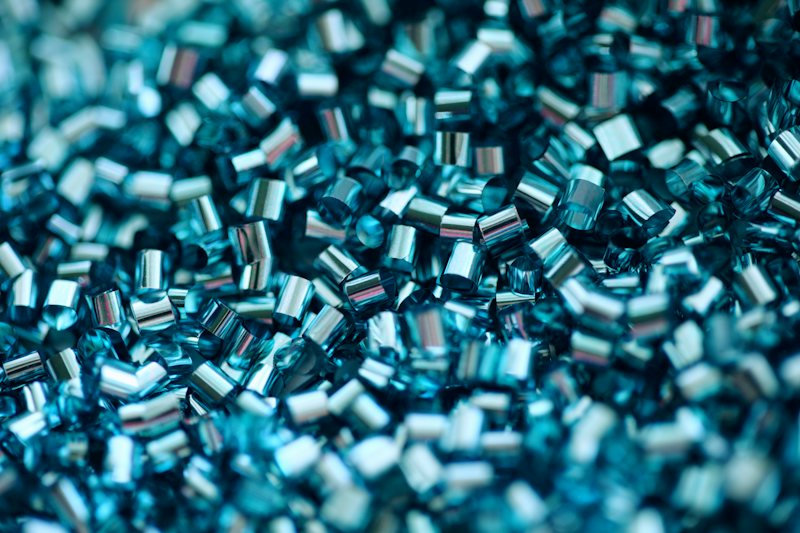
Styrenics, acrylics, polyamides, polyesters, fluoropolymers and biodegradable polymers.
View routes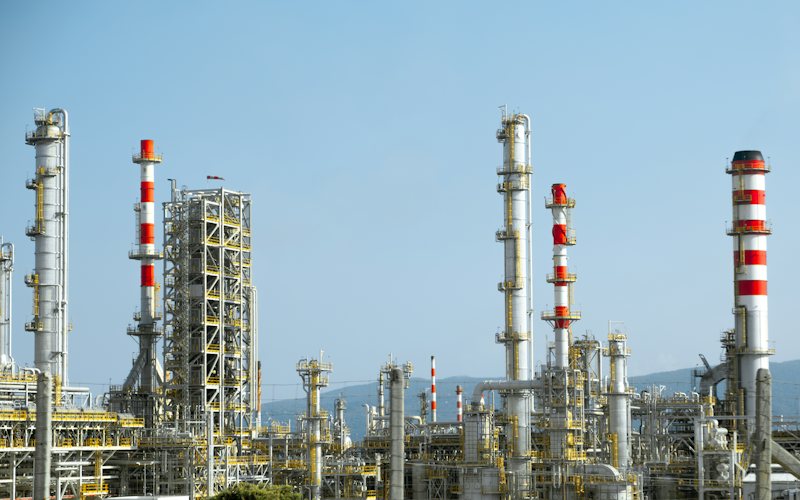
Chemicals & Petrochemicals
Aromatic intermediates, oxidation, crystallization, inorganic salts and specialty synthesis.
View routes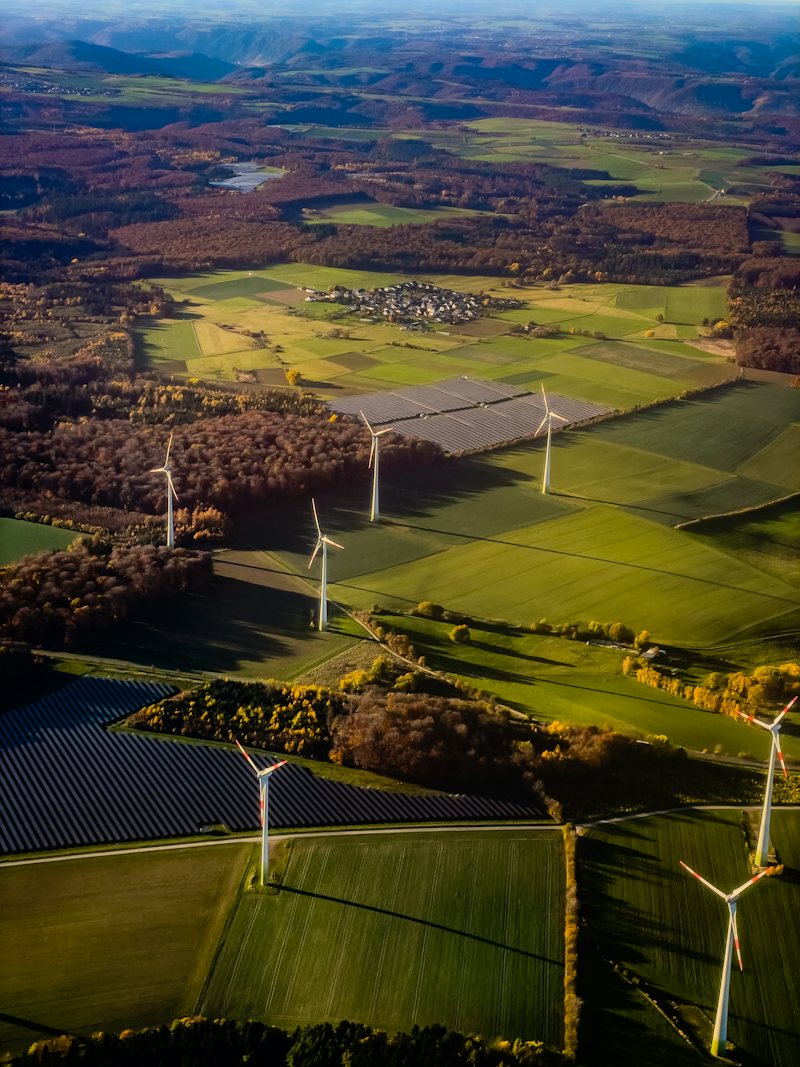
New Energy
Green methanol, CO₂ utilization and bio-based chemical routes for the energy transition.
View routes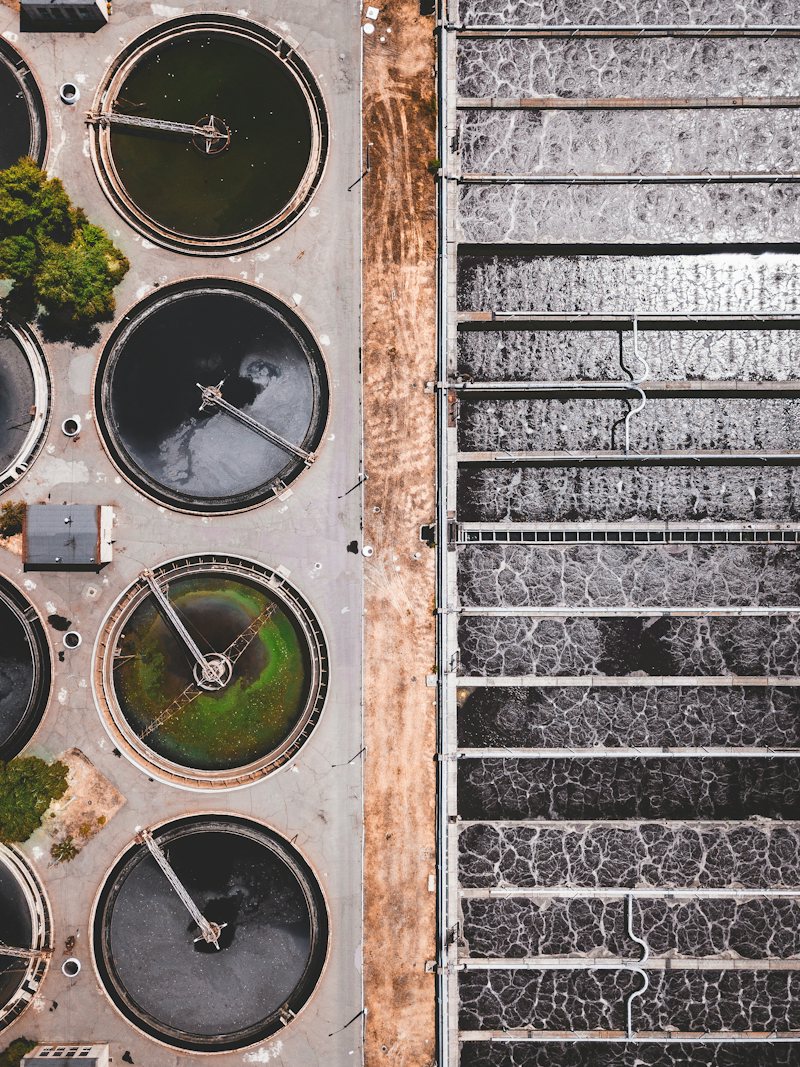
Environment & Thermal Treatment
DeNOx, wet air oxidation, sludge drying, incineration, pyrolysis and VOC abatement.
View routesTechnologies
Process routes we deliver.
Select a route to see how the plant is structured — from feed preparation to the finished, packed product.
Selected routes
Polymer synthesisGeneral-Purpose Polystyrene
Continuous bulk (mass) polymerization of styrene for crystal-clear packaging, disposables and electronics housings.
Route framework
- 01Feed preparationStyrene purification, solvent and additive dosing
- 02PolymerizationStirred-tank and plug-flow reactor train with staged temperature control
- 03DevolatilizationTwo-stage flash under vacuum; residual monomer recovered and recycled
- 04FinishingStrand or underwater pelletizing, blending and silo storage
Plant architecture
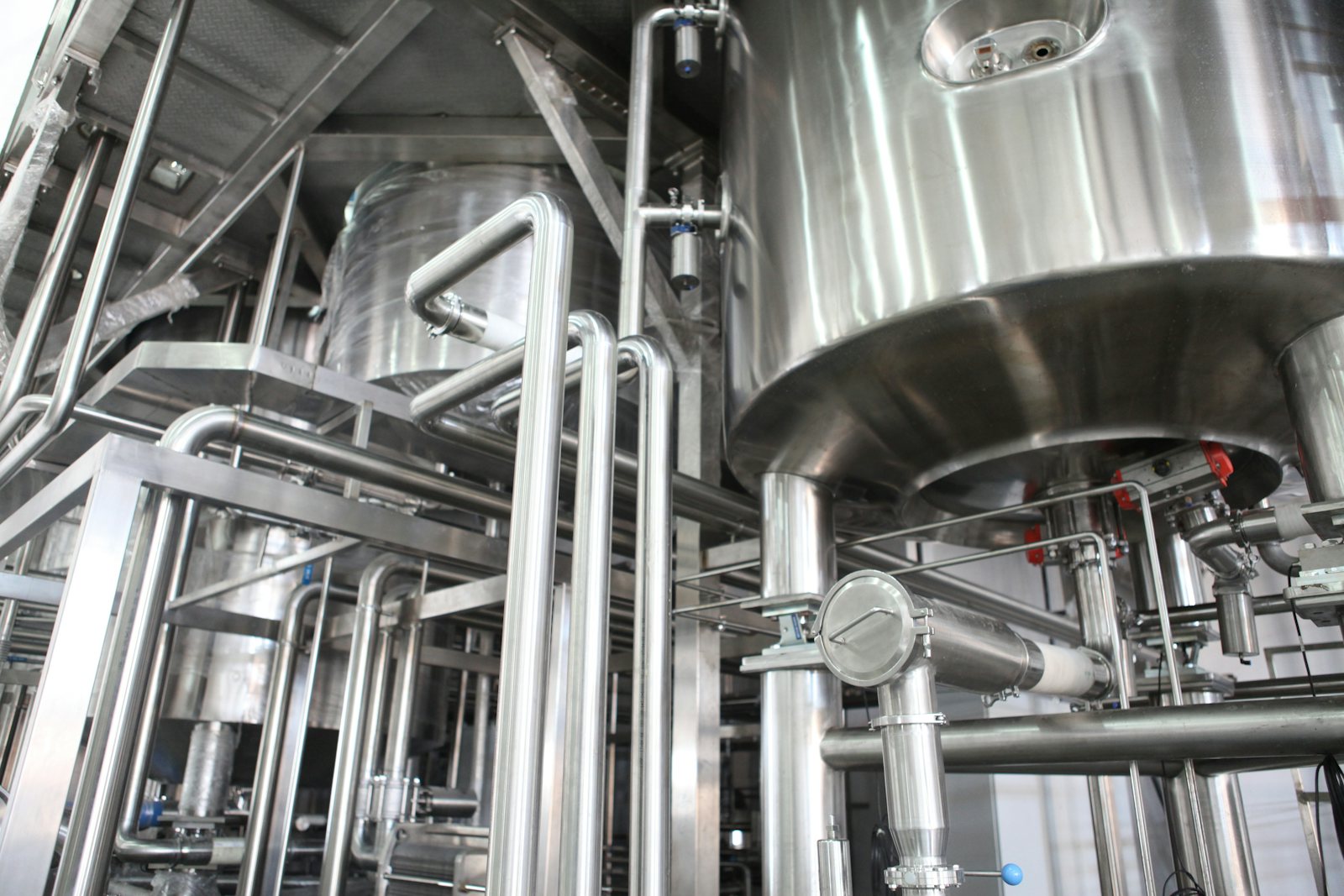
A typical continuous polymer line.
Every plant is engineered for its route, but most share the same backbone: controlled feed, reaction, volatile recovery and finishing — tied together by one control system.
Core equipment
Engineering hardware connected to the selected process route.
Process-defining equipment designed around your chemistry — not adapted from a catalogue.
Reactors
Stirred-tank, loop and plug-flow reactors; jacketed or coil-heated, for bulk, solution and suspension routes.
Kneaders & High-Viscosity Systems
Large-volume kneader reactors and finishers for highly viscous melts, pastes and devolatilization.
Mixing Equipment
Agitators, impellers, side-entry and high-shear mixers sized from CFD and pilot data.
Separation & Drying
Paddle, disc and rotary dryers, centrifuges and filters for slurries, crystals and wet polymer.
Heat Transfer
Shell-and-tube, scraped-surface and static-mixer heat exchangers, condensers and thermal-oil systems.
Pumps & Vacuum
Melt gear pumps, process pumps and vacuum systems for polycondensation and devolatilization.
Thermal Oxidation Systems
RTO/TO units, incinerators and waste-heat recovery for off-gas, liquid and solid waste streams.
Custom Process Systems
Pre-assembled skids and modular units — dosing, catalyst preparation, solvent recovery and utilities.
Process Plant Systems
Hydrogen Peroxide (H₂O₂) Production Plant — Anthraquinone Process
Complete turnkey hydrogen peroxide production plants using proven anthraquinone technology with proprietary three-component solvent system for superior efficiency and extended catalyst life.
- Capacity: 60 – 1,500 TPD per single production line
- Proprietary three-component TBU working solution — higher hydrogen efficiency (≥9.0 g/L) vs standard (7.0–8.5 g/L)
- Dual-section hydrogenation tower: avoids catalyst agglomeration, extends catalyst life ≥5 years
- Empty-tower oxidation with built-in redistributor for maximum gas-liquid contact
- Product: 27.5%, 35%, 50% H₂O₂ concentration — meets all industrial grades
- Full HAZOP safety design; tail gas recovery for zero organic emission
- Key application in textile industry: fabric bleaching, dye removal, starch removal
- Process:
- Anthraquinone method — patented three-component TBU system
- Capacity:
- 60 – 1,500 T/D
- Products:
- 27.5% / 35% / 50% H₂O₂
- Catalyst Life:
- ≥5 years
- Catalyst Regen Cycle:
- >1 year
- Reference:
- 450 TPD H₂O₂ plant — successfully commissioned
Industrial Evaporation & Concentration Systems
Complete range of industrial evaporators for concentration, purification, and solvent recovery across chemical fiber, pharmaceutical, and specialty chemical production.
- Falling Film Evaporator: gentle, uniform evaporation — minimal thermal decomposition
- Forced Circulation Evaporator: 1.5–3.5 m/s circulation; large capacity, anti-scaling
- Rotating Thin Film Evaporator: short residence 10–50 seconds; high vacuum capability
- DTB/Oslo Crystallizer: PLC temperature control for uniform crystal size
- Single-effect through multi-effect configurations available
- Types:
- Falling Film · Forced Circulation · Rotating Thin Film · DTB Crystallizer
- Thin Film Residence:
- 10 – 50 seconds
- Vacuum:
- Yes
- Crystallizer Control:
- PLC temperature management
Industrial Mixing & Agitation Equipment
High-performance agitation and mixing systems for process industry applications — from top-entry and bottom-entry mixers to flotation machines and thickeners.
- Top-entry, side-entry (SK800K), and bottom-entry (SK900) configurations
- Tubular dispersion pump and tower dispersion pump for high-shear applications
- Flotation machine and thickener for mineral and chemical separation
- Custom impeller design per process media viscosity and density
- Applied in polymer reactors, chemical, mining, and wastewater industries
- Types:
- SK500 Top Entry · SK800K Side Entry · SK900 Bottom Entry
- Also:
- Flotation Machine · Thickener · Tubular & Tower Dispersion Pump
- Applications:
- Polymer · Chemical · Mining · Wastewater
How we work
A clear path from definition to production.
We align process objectives, validation scope and engineering implementation around the needs of each project — and stay accountable until the plant performs.
Project definition
Product targets, capacity, site conditions, feedstock availability and investment boundaries.
Partner-laboratory development
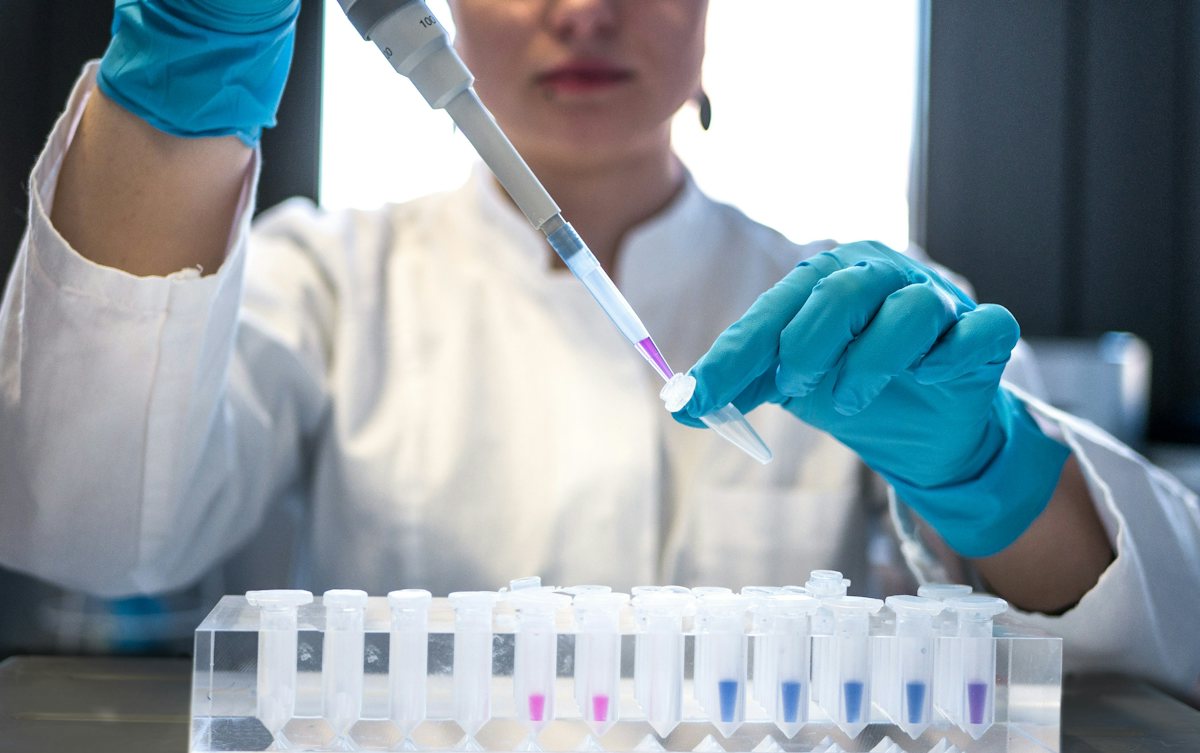
Route-level development and recipe optimization with the appropriate partner-laboratory set-up.
Traceable pilot validation
Pilot runs generate traceable data on kinetics, heat removal and product quality — the basis for confident scale-up.
Engineering & equipment manufacturing
The validated direction becomes a process design package, detail engineering and code-stamped critical equipment.
Installation & commissioning
Site supervision, pre-commissioning and a staged start-up from inert runs to specification product.
Operation & lifecycle support
Operator training, spare parts, remote diagnostics and continuous improvement over the life of the plant.
Why AKSEL
Built for investors who need the plant to work.
A chemical plant is a long-term asset. We structure every project around safety, product quality and predictable start-up.
Single-point responsibility
One contract and one team for technology, equipment and start-up — no gaps between licensor and fabricator.
Validated before it is built
Laboratory and pilot data underpin every design decision, reducing scale-up risk and start-up time.
Critical equipment, engineered
Reactors, kneaders and finishers are designed for your chemistry and tested before shipment.
International standards
Design and fabrication to ASME, PED/CE and IEC requirements, with full documentation and traceability.
Sustainability built in
Monomer and solvent recovery, energy integration and off-gas treatment designed into the plant from day one.
Global trade expertise
AKSEL manages export logistics, documentation, customs and on-site coordination across borders.
Start a project
Planning a new chemical or polymer plant?
Share your target product, capacity and location. Our process team will come back with a preliminary route recommendation, scope outline and next steps for feasibility.